
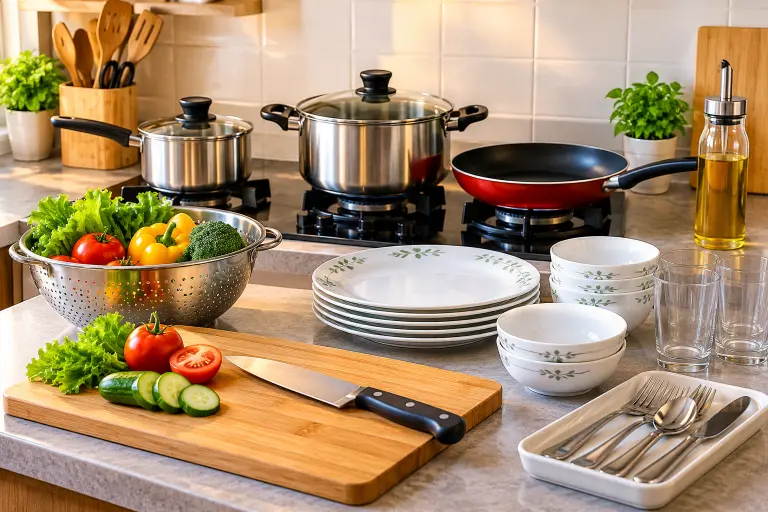
Smart Products for a Happier Home
Setting up a kitchen doesn’t have to be expensive. With the right planning, you can choose useful kitchen essentials that make cooking easier while keeping your spending under control.
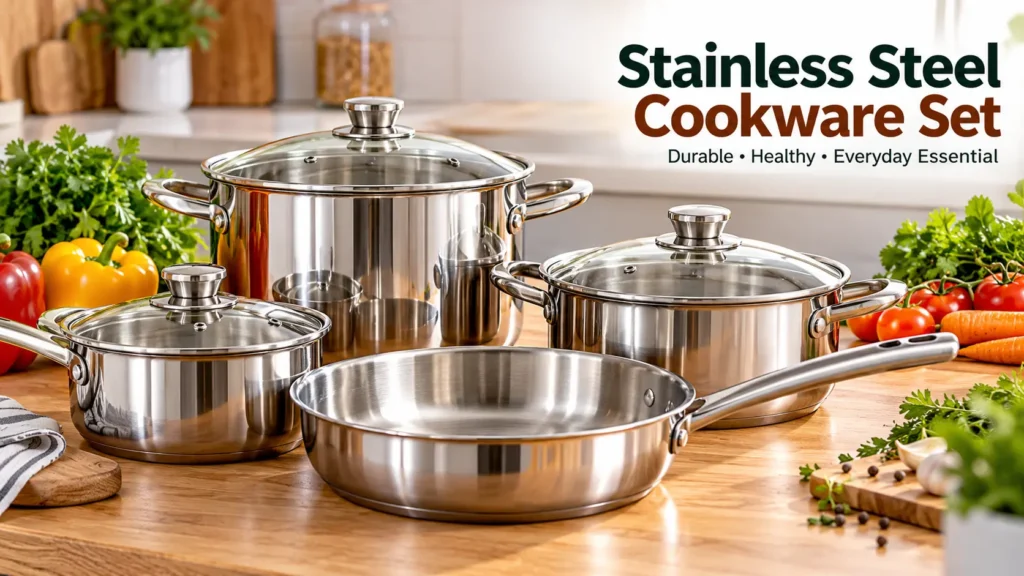
Stainless Steel Cookware Set
A good cookware set is one of the first investments to consider when preparing a new kitchen. It helps you cook everyday meals, from breakfast and vegetables to rice, curries, and soups.
**What to look for:**
– Durable stainless steel construction
– Comfortable, heat-resistant handles
– Suitable sizes for your household
– Easy-to-clean surfaces
– Compatibility with your cooking stove
Choose a set based on your actual cooking habits rather than buying too many pots and pans at once.
**Best for:**
Families, couples, and anyone setting up a new kitchen.
**Buying tip:**
Check the material grade, stove compatibility, included pieces, and warranty before purchasing.
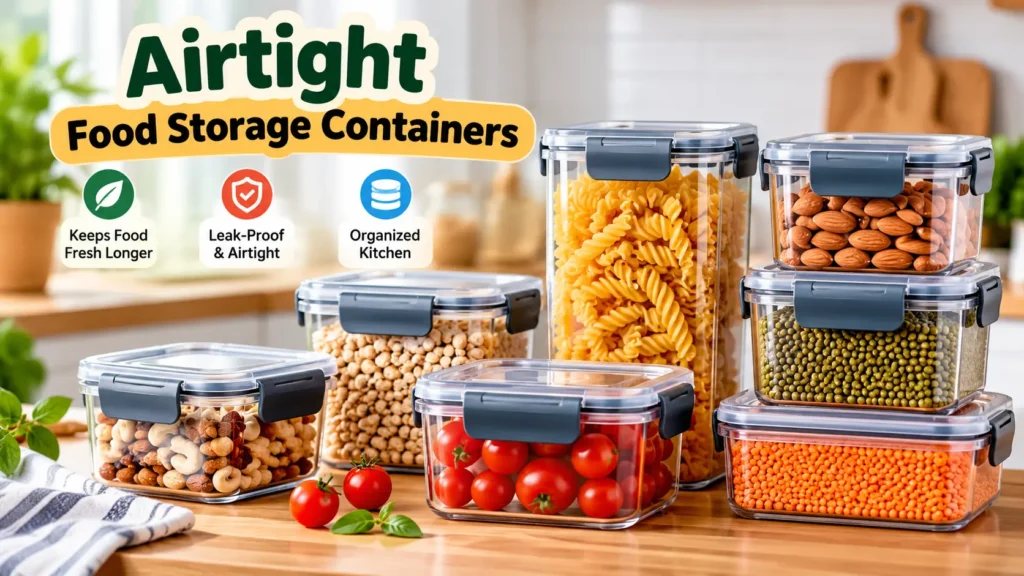
Airtight Food Storage Containers
Keeping ingredients organized is easier with a good set of food storage containers. They are useful for storing rice, pulses, flour, sugar, snacks, and other pantry staples.
**Why they’re useful:**
– Help keep ingredients organized
– Make pantry shelves look neat
– Allow you to identify contents quickly when transparent
– Reduce exposure to moisture when properly sealed
**Best for:**
Small kitchens, busy households, and people who buy groceries in bulk.
**Buying tip:**
Look for food-contact-safe materials, secure lids, easy-to-clean designs, and a range of useful sizes. Airtight containers help protect dry foods when clean, dry ingredients are stored properly.
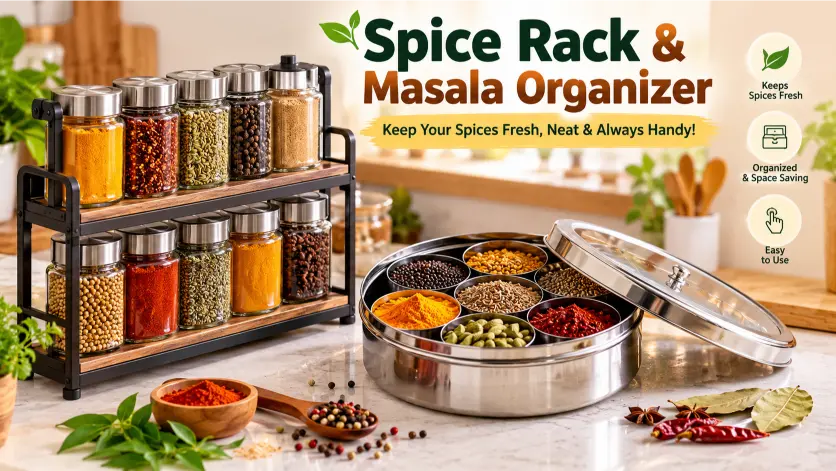
Spice Rack or Masala Organizer
Spices are essential in many Indian kitchens. A spice rack keeps commonly used ingredients within easy reach and helps reduce clutter around the cooking area.
Why it deserves a place in your kitchen:
- Keeps frequently used spices organized
- Makes cooking more convenient
- Helps you find ingredients quickly
- Can free up counter space when properly arranged
Best for:
Indian households, especially those that use several spices daily.
Buying tip:
Choose a rack that fits your available counter or cabinet space. Removable, easy-to-clean containers are useful for regular maintenance.

Oil Dispenser Bottle
An oil dispenser makes everyday cooking more convenient by helping you pour oil with better control. It can also keep your cooking area tidier than using an open bottle.
Useful features include:
- A controlled pouring spout
- A secure, leak-resistant lid
- Easy refilling
- A stable base
- A design that’s easy to clean
Best for: Everyday cooking, particularly when preparing vegetables, curries, and other frequently cooked dishes.
Buying tip: Select a dispenser made from food-contact-safe material. A transparent bottle can help you see how much oil remains.
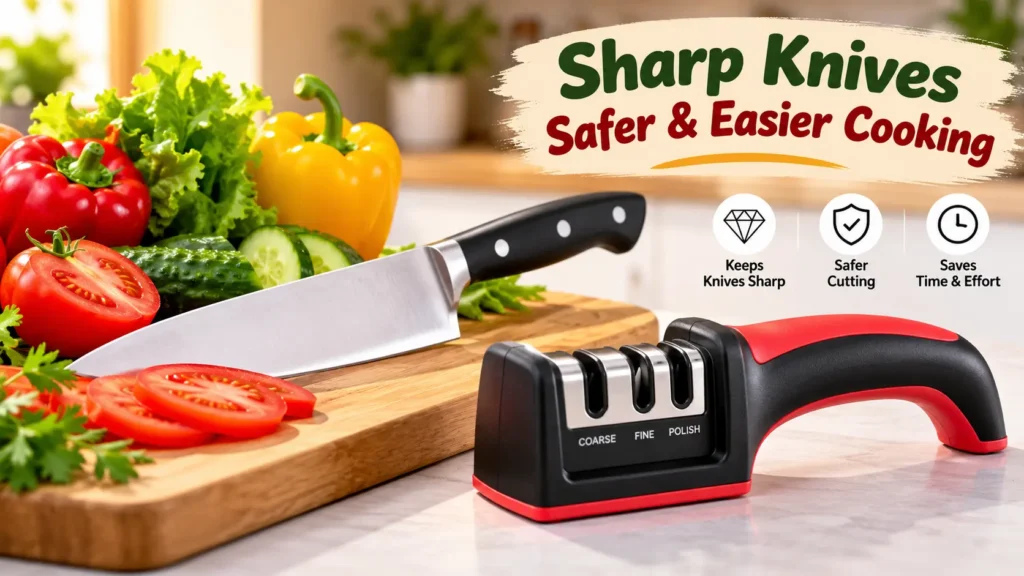
Kitchen Knife and Knife Sharpener
A reliable kitchen knife is a basic preparation tool for cutting vegetables, fruits, and other ingredients. A suitable knife sharpener can help maintain a knife’s edge when used correctly.
Look for:
- A comfortable, secure grip
- A blade suited to your cooking needs
- A stable cutting surface
- A sharpener compatible with your knife type
Best for: Almost every home kitchen.
Buying tip: You don’t need a large knife collection to start. One or two useful knives can be sufficient for basic preparation. Store knives safely and follow the sharpener’s instructions.
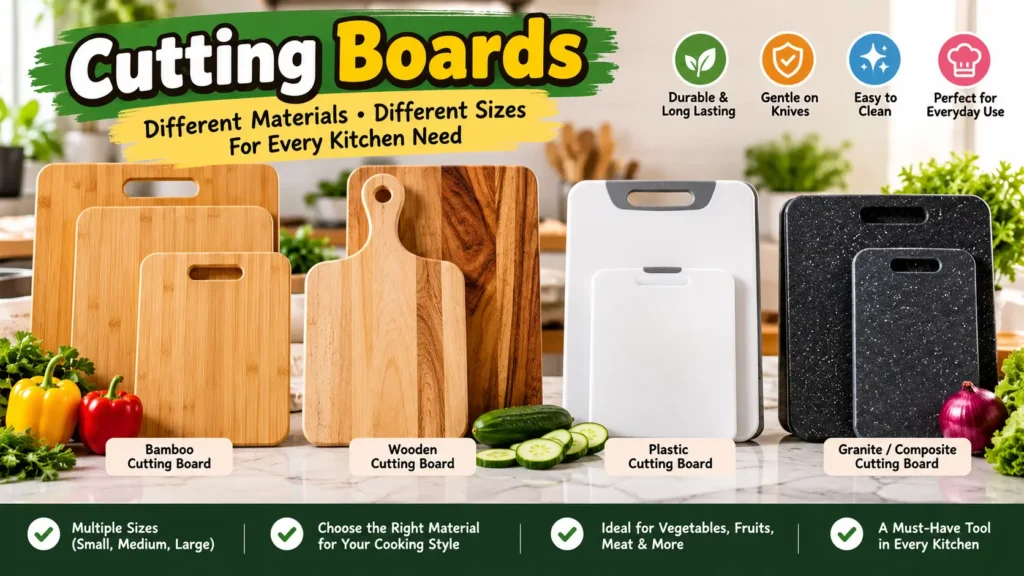
Cutting Board
A cutting board provides a dedicated surface for chopping vegetables, fruits, and other ingredients while helping protect your kitchen countertop.
Features worth considering:
- A stable, non-slip design
- Enough surface area for everyday tasks
- Easy cleaning and drying
- A durable, food-safe material
Best for: Anyone who prepares fresh ingredients regularly.
Buying tip: If possible, use separate boards for raw meat and ready-to-eat foods. Wash boards thoroughly after use and replace them when they develop deep grooves that are difficult to clean.
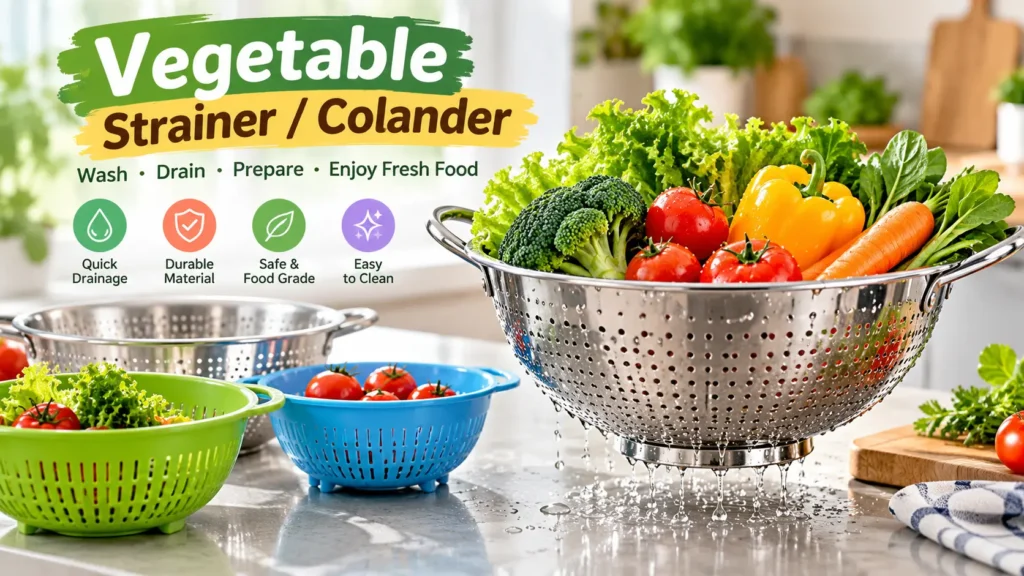
Vegetable Strainer or Colander
A colander is a simple but highly useful kitchen tool for washing vegetables, draining pasta, and rinsing ingredients such as pulses.
Why it’s practical:
- Helps drain excess water quickly
- Makes washing produce more convenient
- Reduces mess during food preparation
- Takes up relatively little storage space
Best for: Everyday home cooking and food preparation.
Buying tip: Look for sturdy stainless steel or food-safe plastic, appropriately sized drainage holes, and a design that’s easy to wash.
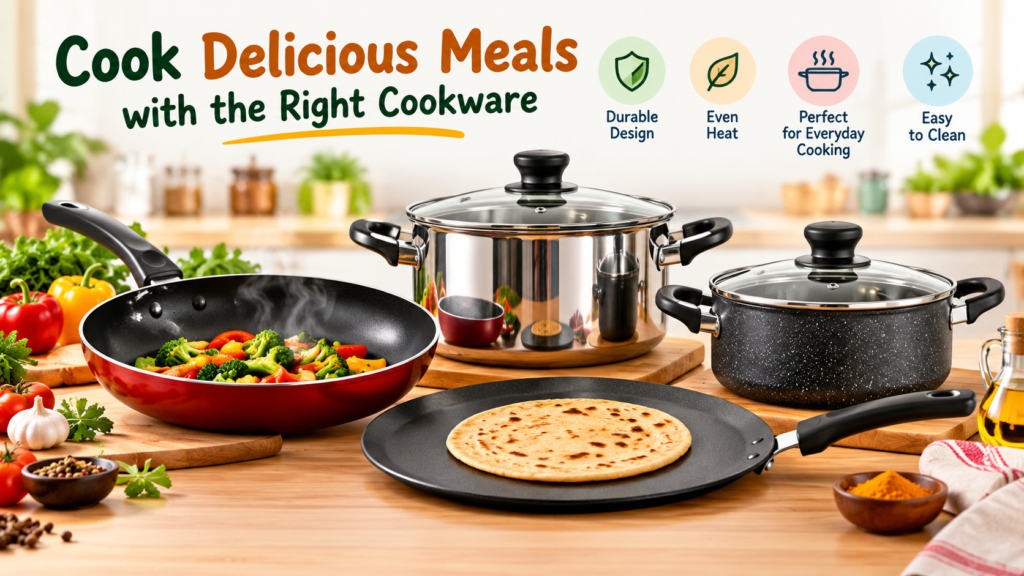
Frying pans & Tawa
A frying pan and a tawa are two essential kitchen tools found in many Indian homes. Whether you are preparing crispy dosas, soft chapatis, fluffy omelettes, or delicious stir-fried vegetables, choosing the right cookware can make everyday cooking easier and more enjoyable.
In this guide, let’s explore the important features, buying tips, and safety precautions to consider when selecting a frying pan or tawa for your kitchen.
- Important Features of a Frying Pan
A frying pan is a versatile cooking utensil suitable for frying, sautéing, shallow-frying, and preparing a variety of dishes.
Key features to look for:
- Non-stick coating: Helps prevent food from sticking and makes cleaning easier. Use suitable utensils to protect the coating.
- Stainless steel construction: Durable and suitable for many cooking techniques, although food may stick if the pan is not used correctly.
- Cast iron material: Retains heat well and is excellent for searing and browning when properly seasoned.
- Comfortable handle: A heat-resistant, securely attached handle makes the pan easier to lift and control.
- Even heat distribution: Helps cook food more consistently and reduces hot spots.
- Suitable size: Choose a small pan for eggs and a larger one for family meals.
- Important Features of a Tawa
A tawa is a flat or slightly curved cooking surface widely used in Indian kitchens to prepare chapatis, dosas, parathas, and other flatbreads.
Key features to consider:
- Material: Cast iron, aluminium, stainless steel, and coated tawas are available.
- Flat cooking surface: A broad, even surface helps cook chapatis and dosas uniformly.
- Good heat retention: Helps maintain a steady temperature while cooking multiple items.
- Sturdy handle: Provides a secure grip when turning or moving the tawa.
- Easy maintenance: Consider how much cleaning, seasoning, or special care the material requires.
- Cooktop compatibility: Check whether the tawa is suitable for gas, electric, or induction cooking. Not every tawa works on induction.
Tips for Choosing the Right Frying Pan and Tawa
Before buying, consider your cooking habits, family size, budget, and available kitchen space.
- Choose the right material: Non-stick cookware is convenient for everyday low-fat cooking, while cast iron is useful for heat retention and traditional cooking.
- Check the size: A medium frying pan suits many everyday tasks, while a wider tawa is helpful for preparing large dosas or several chapatis.
- Inspect the handle: Look for a firm, comfortable handle that does not wobble.
- Check the base: A stable, flat base is important for even heating and safe handling.
- Consider cleaning requirements: Non-stick pans are generally easy to clean, while cast iron may require drying and seasoning.
- Compare quality and price: A well-made product that suits your needs can be a better investment than buying the cheapest option.
Safety Points to Remember
Safe cookware use protects both your family and your kitchen.
- Avoid overheating empty non-stick pans. High temperatures can damage the coating and may release hazardous fumes.
- Use wooden, silicone, or other manufacturer-approved utensils with coated cookware to avoid scratching the surface.
- Never leave hot cookware unattended. Keep handles turned inward and away from the edge of the stove.
- Use oven mitts or heat-resistant holders when handling hot pans and tawas.
- Avoid sudden temperature changes. Do not pour cold water onto extremely hot cookware, as this may cause warping or thermal shock.
- Check for damage. Replace non-stick cookware if its coating is peeling or significantly damaged.
- Keep cookware stable. Use the correct burner size and ensure the pan or tawa sits securely on the stove.
- Keep children away from hot cooking surfaces and never leave a hot tawa within their reach.
Cleaning and Maintenance Tips
Allow cookware to cool before cleaning. Use a soft sponge and a suitable dishwashing liquid for everyday cleaning. Avoid abrasive scrubbers on non-stick surfaces.
For cast-iron tawas, dry thoroughly after washing and apply a thin layer of cooking oil when appropriate to help prevent rust. Follow the manufacturer’s instructions for stainless steel and other materials.
Conclusion
A good frying pan and tawa can make daily cooking simpler, more convenient, and enjoyable. Choose cookware based on its material, size, durability, heat performance, and compatibility with your cooktop. With proper care and safe cooking practices, these kitchen essentials can serve your household for years.
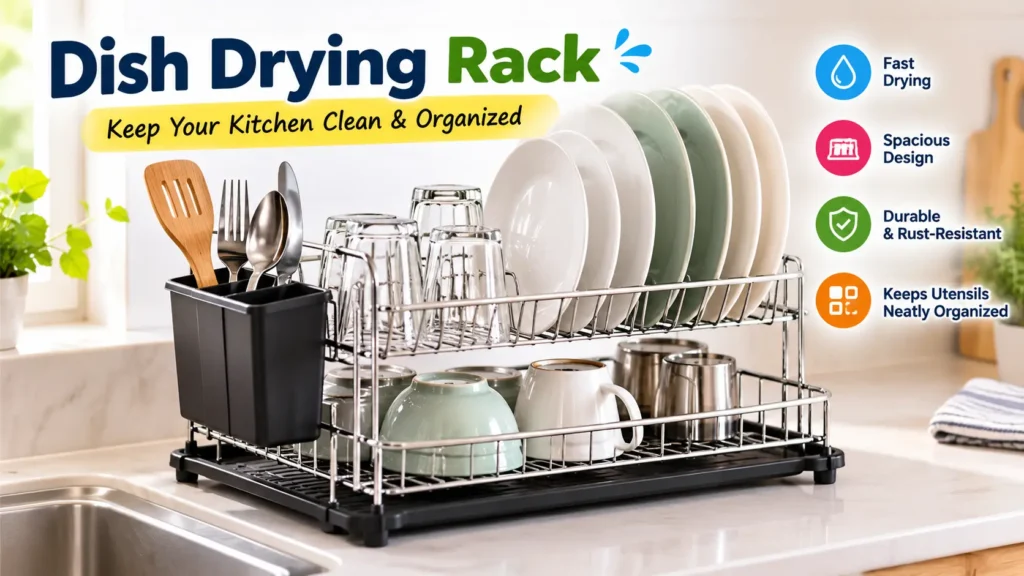
Dish Drying Rack
After washing plates, cups, and utensils, a dish drying rack gives them a designated place to drain and dry.
What to look for:
- Rust-resistant material
- A stable structure
- Space for plates, cups, and utensils
- A removable or easy-to-clean drip tray
- A size suitable for your sink and counter
Best for: Families and kitchens without a built-in dish-drying area.
Buying tip: Measure your counter before ordering. A compact rack can be a better choice for small kitchens than a large multi-tier design.
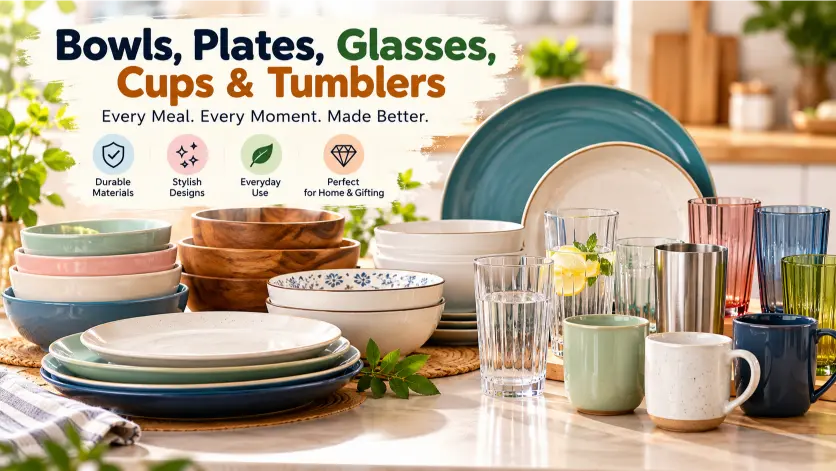
Everyday kitchen essentials
Bowls, Plates, and Glasses
Bowls and plates are essential for preparing, serving, and enjoying meals. Small bowls are useful for serving chutneys, sauces, snacks, and side dishes, while larger bowls are suitable for salads and mixing ingredients. Glasses and tumblers are everyday essentials for serving water, juice, and other beverages.
Buying tip: Select durable, food-safe materials such as stainless steel, glass, ceramic, or quality food-grade plastic, depending on your needs.
Cups and Mugs
Tea cups, coffee mugs, and everyday drinking cups make your morning routine more enjoyable. They are available in different sizes, materials, colours, and designs to suit every kitchen.
Buying tip: Check the capacity, handle comfort, durability, and whether the cup is microwave-safe or dishwasher-safe when these features matter to you.
Spoons and Spatulas
Spoons are useful for eating, measuring, stirring, and serving food. Spatulas help flip dosa, omelettes, pancakes, and other dishes. Silicone spatulas are particularly useful for non-stick cookware because they are generally gentler on the cooking surface than metal utensils.
Buying tip: Choose heat-resistant spatulas with comfortable handles. Keep separate utensils for cooking and serving when practical
Tea Strainers
A tea strainer is a simple but valuable tool for preparing a smooth cup of tea. It filters tea leaves and other small particles before serving. Stainless steel strainers are popular because they are durable, reusable, and easy to maintain.
Buying tip: Look for a fine mesh, a comfortable handle, and a size that fits your favourite cups or teapots.
How to Choose the Right Kitchen Small Tools
Before buying kitchen essentials, consider your daily cooking habits, available storage space, material quality, ease of cleaning, and budget. Start with the tools you use most frequently instead of purchasing everything at once.
Choose products that offer durability, practical design, and good value for money.
Conclusion
Small kitchen tools can make a big difference in your everyday routine. Oil dispensers, bowls, plates, glasses, cups, spoons, spatulas, and tea strainers help make food preparation and serving more convenient. By choosing the right essentials, you can create a kitchen that is organized, comfortable, and ready for daily use.
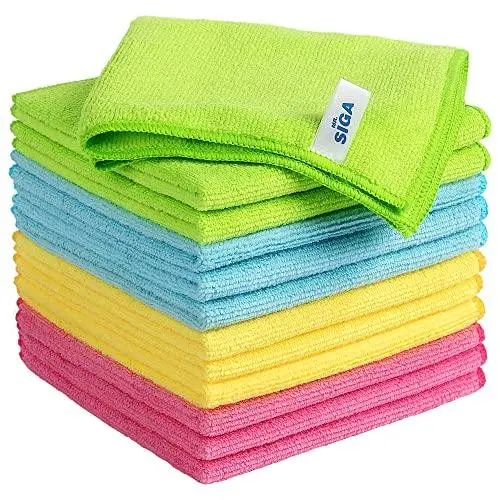
Microfiber Cleaning Cloths: Used to wipe kitchen counters, shelves, appliances, and cabinet surfaces.
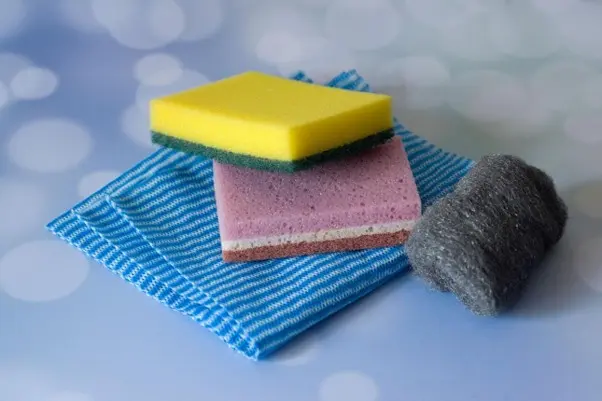
Scrubbers and Cleaning Sponges Help remove stubborn food stains from pots, pans, and dishes. Choose non-scratch scrubbers for non-stick cookware.
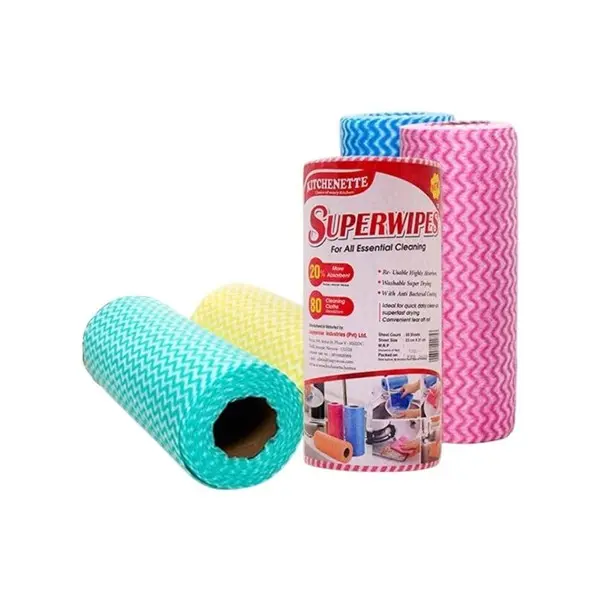
Paper Towels and Reusable Wipes: Convenient for wiping spills, drying surfaces, and quick daily cleaning.
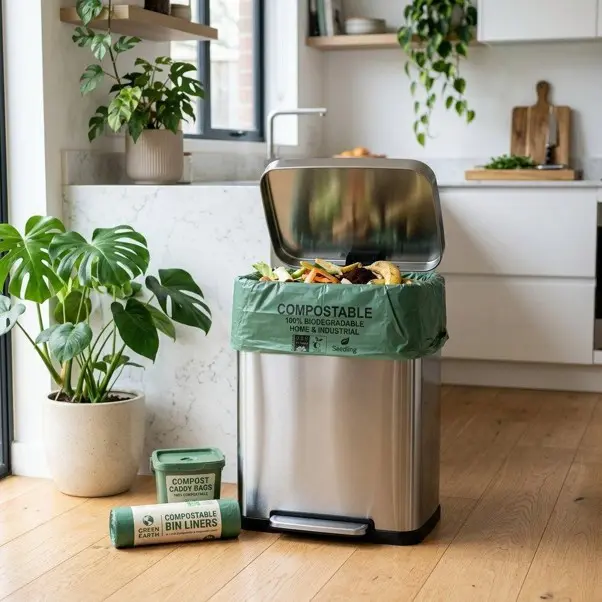
Kitchen Dustbin and Garbage Bags: Help collect food scraps and other waste while keeping the kitchen tidy.
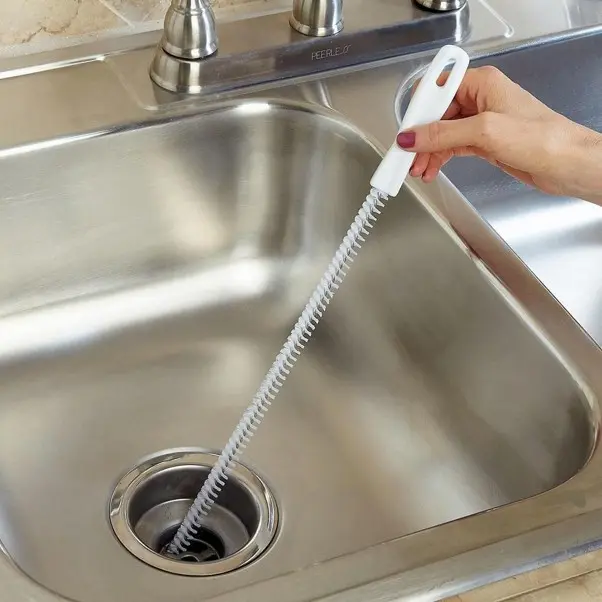
Sink and Drain Cleaning Tools : Include sink brushes, drain strainers, and suitable drain cleaners to help maintain a clean sink and reduce food buildup
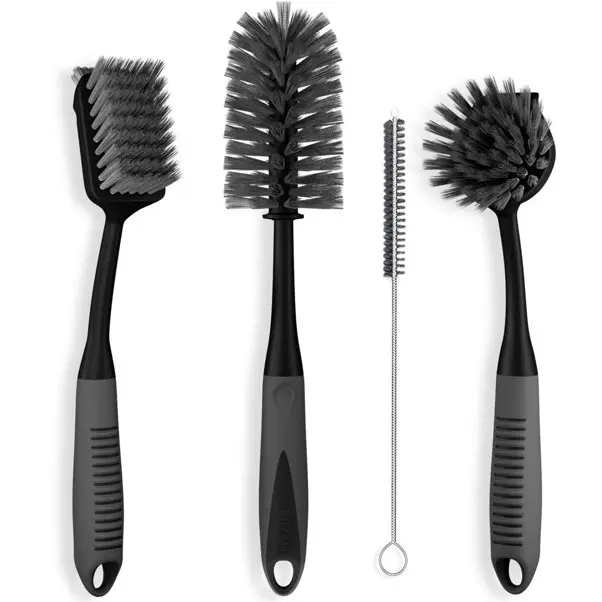
Kitchen Cleaning Brushes Useful for cleaning bottles, jars, sink corners, utensils, and hard-to-reach areas.
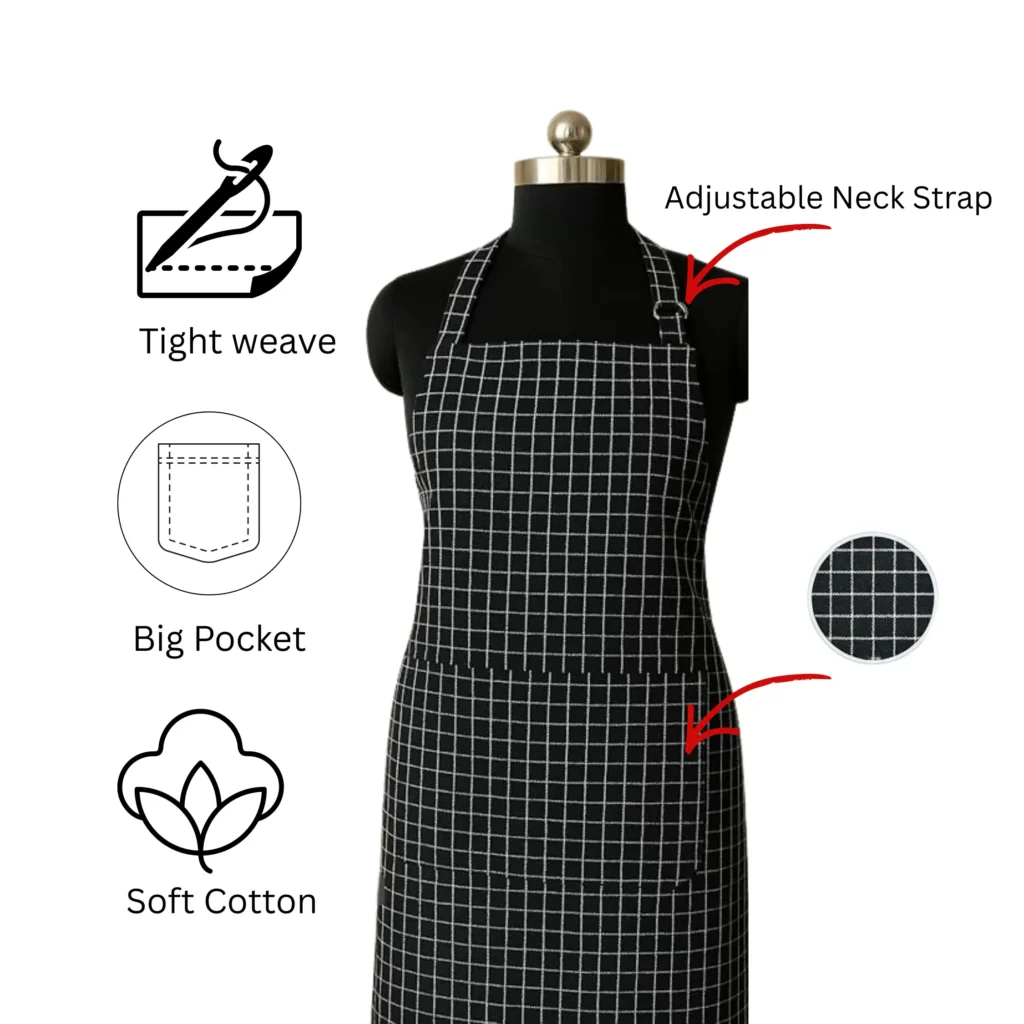
Apron: Make everyday tasks cleaner, easier, and more stylish, the perfect blend of comfort, protection, and functionality for every home enthusiast.

Keep your home sparkling clean with the right floor cleaner and mop! Enjoy fresh fragrances, effective everyday cleaning, and shiny floors with easy-to-use cleaning essentials.
Other useful kitchen cleaning products
Other useful kitchen cleaning products
- Glass and window cleaner
- Stainless steel cleaner
- Baking soda for selected cleaning tasks
- Food-safe surface sanitiser
- Disposable cleaning gloves
- Chimney and exhaust-fan cleaning products
- Bottle and straw cleaning brushes
- Cleaning caddy or organizer
- Scraper for suitable stovetop surfaces
- Wet and dry vacuum cleaner
Safety tip: Never mix bleach with vinegar, acids, ammonia, or other cleaning products. Use food-contact surface cleaners according to their labels, and rinse surfaces when instructed.
For your kitchen essentials website, a suitable category name would be “Kitchen Cleaning Tools & Supplies.” You can organize it into Dishwashing Products, Cleaning Brushes & Scrubbers, Surface Cleaners, Floor Cleaning Tools, and Waste Management Products.
How to Choose the Right Kitchen Essentials and Tools on a Budget
Setting up a kitchen doesn’t have to be expensive. With the right planning, you can choose useful kitchen essentials that make cooking easier while keeping your spending under control.
Make a List of Essential Tools
Start by identifying the tools you use every day. Basic essentials include a mixer grinder, chopping board, kitchen knife, cooking utensils, storage containers, and measuring cups. If you cook regularly,
Frequently Asked Questions
What are the most important kitchen essentials for a new home?Start with basic cookware, food storage containers, a kitchen knife, a cutting board, a strainer, and a few essential utensils. Add appliances and organizers according to your cooking habits and budget.
### Which kitchen products are useful for Indian households?
Cookware, a pressure cooker, spice storage, an oil dispenser, food containers, a vegetable strainer, and a reliable knife are useful options for many Indian households.
### How much should I spend on kitchen essentials?
Your budget depends on household size, product quality, and the appliances you already own. Start with basic necessities and compare products within a comfortable budget before buying.
### Are expensive kitchen gadgets always better?
No. A simple, well-made product may be more useful than an expensive gadget with features you rarely use. Focus on quality, safety, durability, and everyday convenience.
### Where can I buy kitchen essentials online?
You can compare kitchen essentials on Amazon India and other reputable shopping platforms. Check current prices, product specifications, customer feedback, delivery information, and return policies before placing an order.
## Final Thoughts
Setting up a new kitchen becomes much easier when you focus on products that solve everyday problems. From reliable cookware and airtight containers to a practical oil dispenser and dish drying rack, the right essentials can help make cooking and organizing more convenient.